
Smart Elderly Care Monitoring Solution
Radar vital signs, bedwetting detection and fall sensing in one connected care system — from the bedside to the caregiver’s phone, with no camera and no wearable.
Elderly care fails in the hours nobody is watching
Falls, bedwetting and slow changes in vital signs almost never happen while a caregiver is standing next to the bed. They happen at night, in the bathroom and in the small hours — which is exactly where traditional care has no coverage.
Falls go unseen
Most falls among the elderly happen at night or on the way to the bathroom, when nobody is in the room and the difference between a bruise and a fracture is how fast someone responds.
Bedwetting is found hours later
A wet bed means skin maceration, odour, chill and disturbed sleep long before a carer notices. Without an alarm the change is only discovered on the next check.
Vital signs drift silently
Heart rate, respiration, blood oxygen and body temperature change gradually during sleep. Spot checks once or twice a day simply cannot catch a trend.
Residents reject wearables
ECG electrodes, wristbands and finger clips all depend on the resident remembering to wear them. Compliance drops within days, especially for the elderly and those with cognitive decline.
Cameras are a non-starter
Video monitoring solves the coverage problem but creates a dignity and privacy problem — and people flatly refuse it in bedrooms and bathrooms.
Night rounds do not scale
Manual inspection is labour intensive, cannot cover every bed at the same moment, and leaves a paper record that is hard to trace or analyse afterwards.

What the care system has to deliver
Continuous monitoring
Sense the resident 24 hours a day, in bed and out of bed, without asking them to do anything.
Earlier warning
Turn a risk into an intervention while there is still time to act.
Privacy and dignity
No camera, no wearable, no image data — monitoring that can be installed in a bedroom.
Lower caregiver load
Centralised, automatic records instead of manual rounds and handwritten notes.
Three sensing layers, one monitoring platform
The solution combines a contactless 24GHz radar vital sign monitor, a wetness-sensing pad and a 60GHz fall detection radar. All three report into the same web console and mobile app, so a caregiver gets one unified view instead of three separate systems.
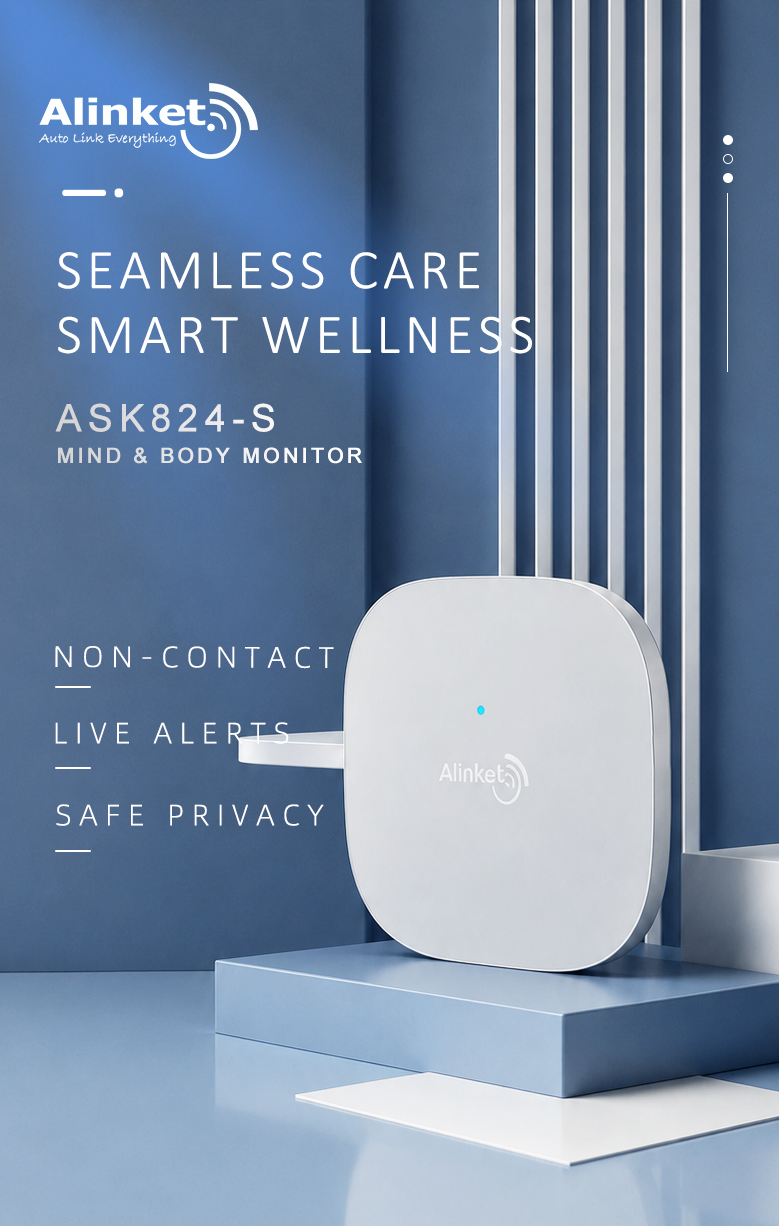
ASK824-S contactless radar vital sign monitor
A 24GHz FMCW bio radar that reads vital signs through the air, with no camera and no wearable on the body.
- Heart rate, respiration rate, blood oxygen saturation and body temperature
- In-bed / out-of-bed state, tracked continuously day and night
- 24GHz FMCW radar, detection range 0.3–2.5 m, 60° horizontal / 80° vertical field of view
- Dual-band 2.4G / 5G Wi-Fi with MQTT to the cloud platform
- Works in the dark and in a bedroom where a camera would never be accepted
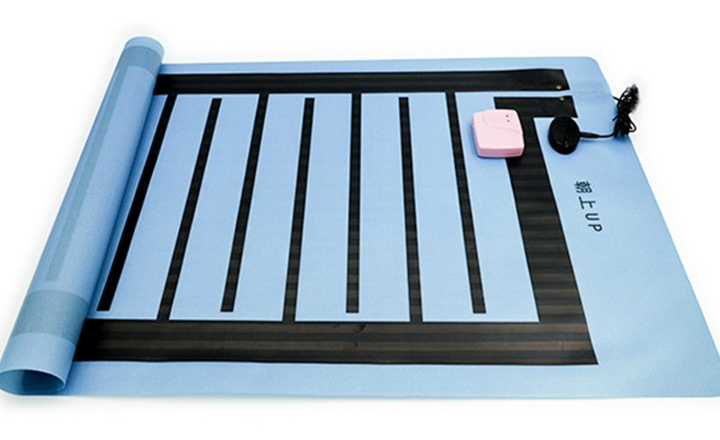
Smart wetness-sensing pad — bedwetting detection
A combined sensing pad and leak barrier, placed under the sheet. It detects urination the moment it happens, not on the next check.
- Detects bedwetting and incontinence immediately and triggers the bedside alarm
- 55 × 90 cm sensing area, lightweight and reusable, with the alarm and leak barrier built in
- Wired to a bedside alarm unit with adjustable volume
- Low-battery warning on the alarm unit, so the alarm never fails silently
- Works together with disposable pads or towels when required
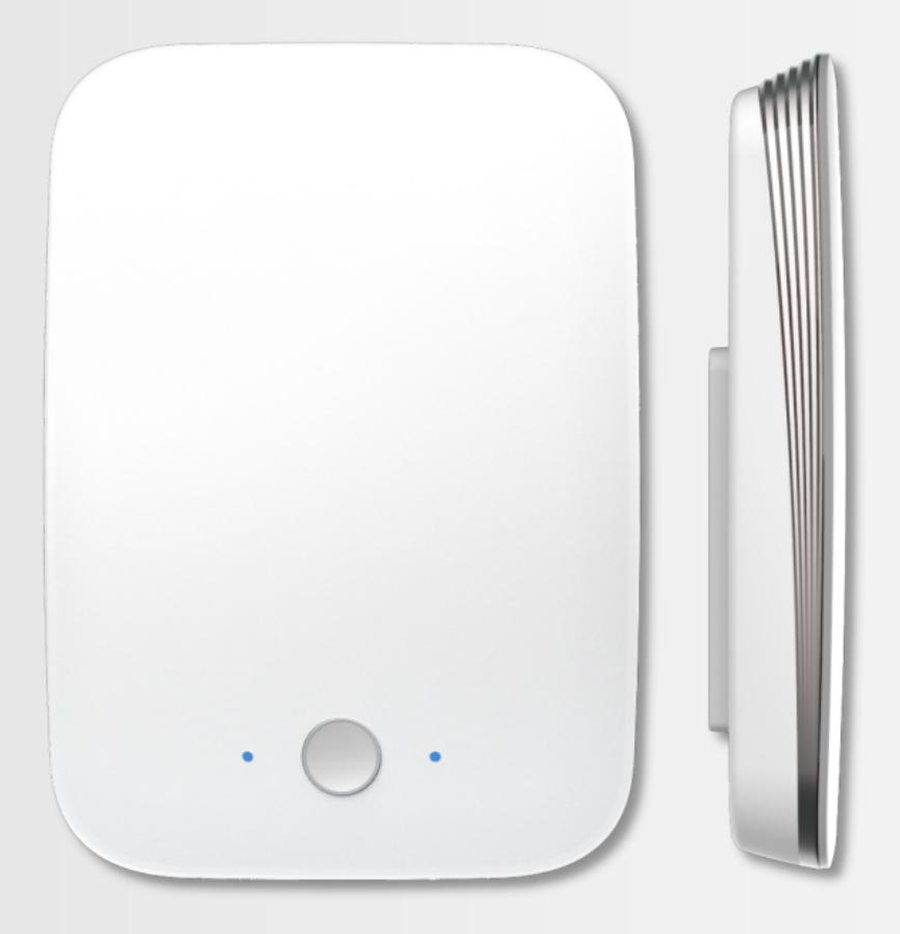
TASA-2B fall detection radar
A 60GHz FMCW radar mounted on the wall or in a corner. It tracks posture and movement through the air and raises the alarm the moment a fall happens — no mat, no wearable, no camera.
- Fall detection plus behaviour anomalies: staying in bed too long, not returning, unusual night activity, reduced mobility and prolonged sitting
- 60GHz FMCW radar with a 7 m detection range (corner mount) / 5 m (wall mount), 90° horizontal and 90° vertical coverage
- Wall or corner mounting at 1.4–2.2 m, so it also covers the bathroom and the corridor
- 2.4G Wi-Fi for data with BLE provisioning; SDK integration
- IP54, DC 5V/2A, 3 W, 148 × 105 × 24 mm, 156 g
From the sensor in the room to the caregiver’s hand
Four layers, built on Alinket IoT components and gateways: sense, connect, monitor and respond.
One web console and one mobile app for the whole floor
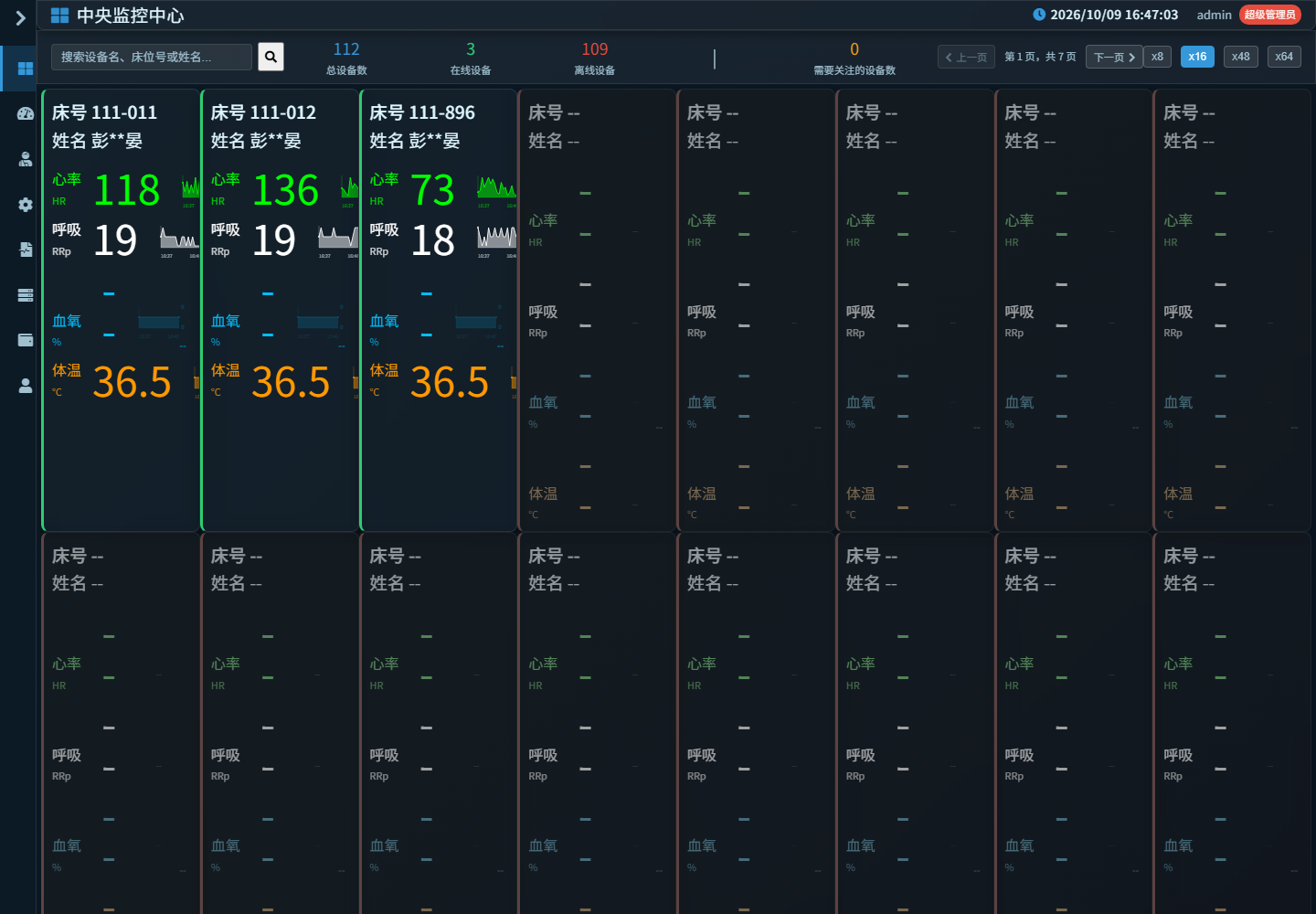
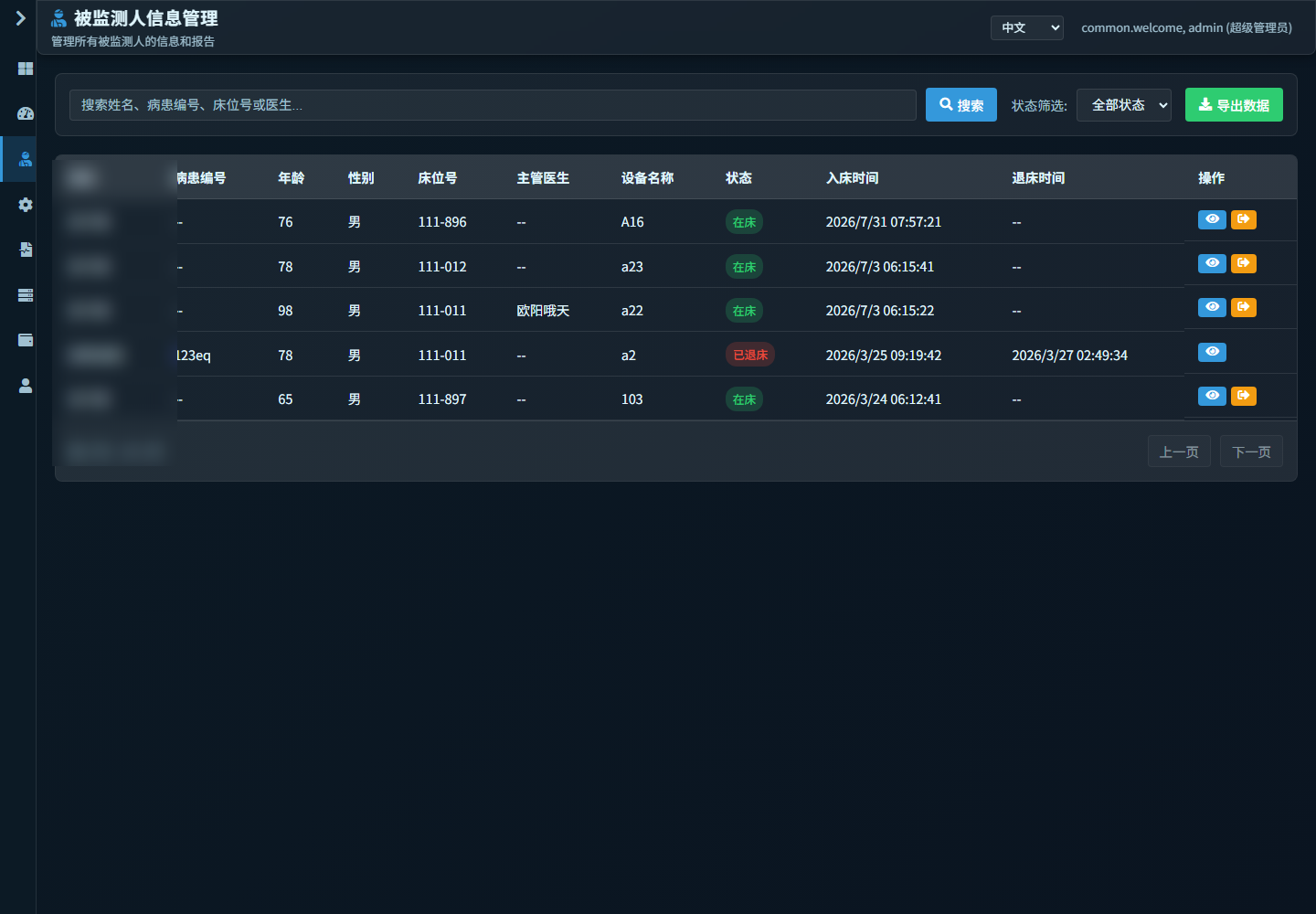
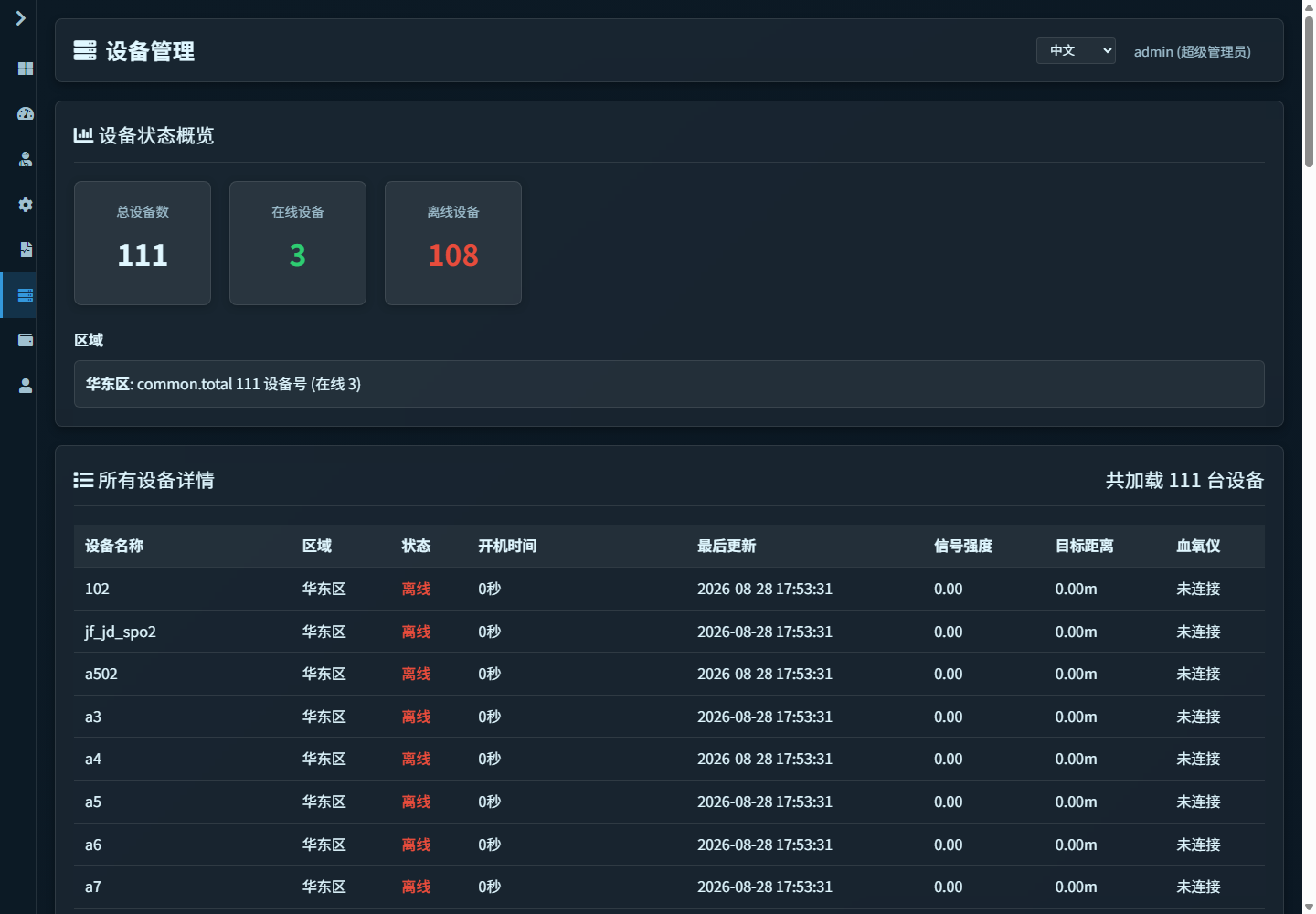
The monitoring platform is designed for care institutions and for families: a real-time monitoring wall, resident and device management, automatic reports, and notification channels that reach a caregiver wherever they are.
Alerts and daily trends in a pocket
Family members and duty caregivers install one app. Push notifications arrive the moment a fall, a bed-exit or a wet pad is detected, and the same app shows the night’s vital sign trends.
- Real-time push for falls, bed-exit and bedwetting events
- Heart rate, respiration, blood oxygen and temperature trends by night, week and month
- Multiple residents on one account for family and duty caregivers
- WeChat and SMS notification subscriptions where push is not enough
- One-click export of monitoring reports for a clinician or a family doctor
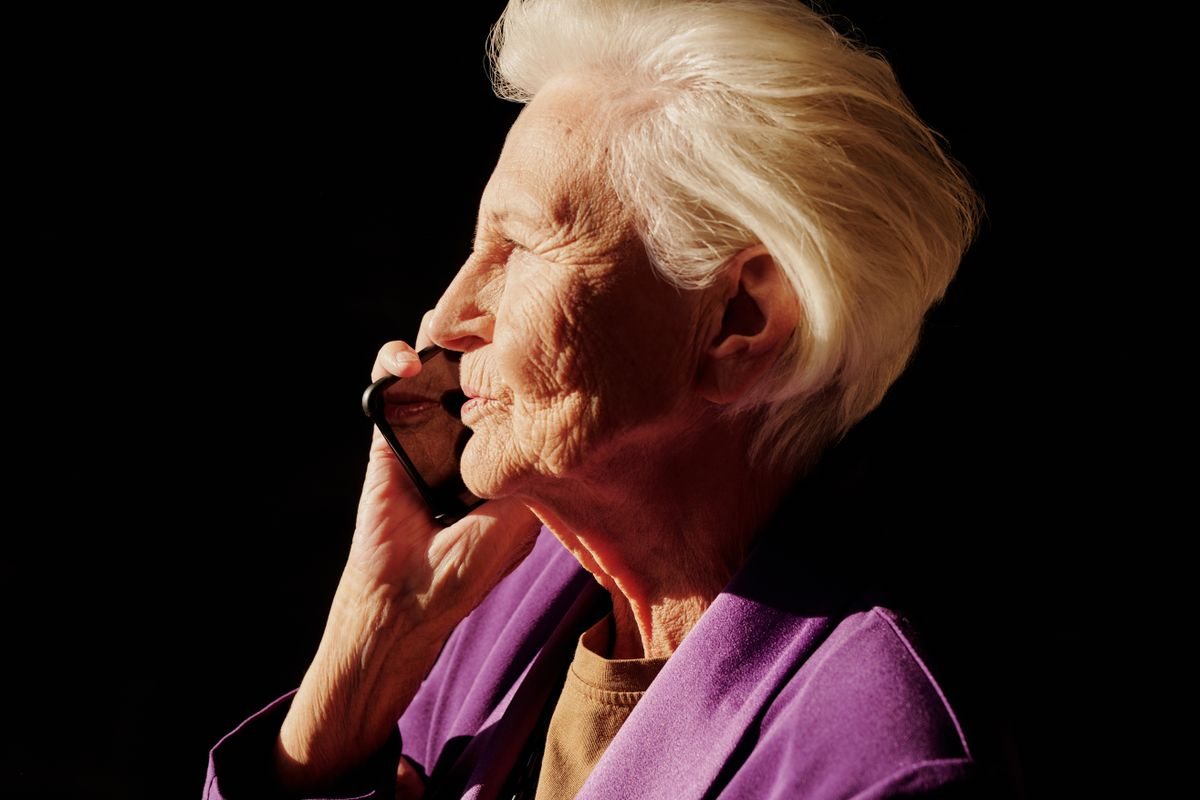
Health monitoring reports
Trends and monitoring reports generated automatically over a week, a month or a quarter, ready to export and share with a clinician or a family member.
Alerts that actually arrive
App push as standard, with WeChat and SMS notification subscriptions available for family members and duty caregivers.
Built for institutions too
Multi-resident monitoring, service tiers for homes and clinics, and EHR / HIS integration with an open API on the professional tier.
From an event to a response, in seconds
Sense
Radar, wetness pad and fall-detection radar sample the room continuously — in bed, out of bed, day and night.
Detect
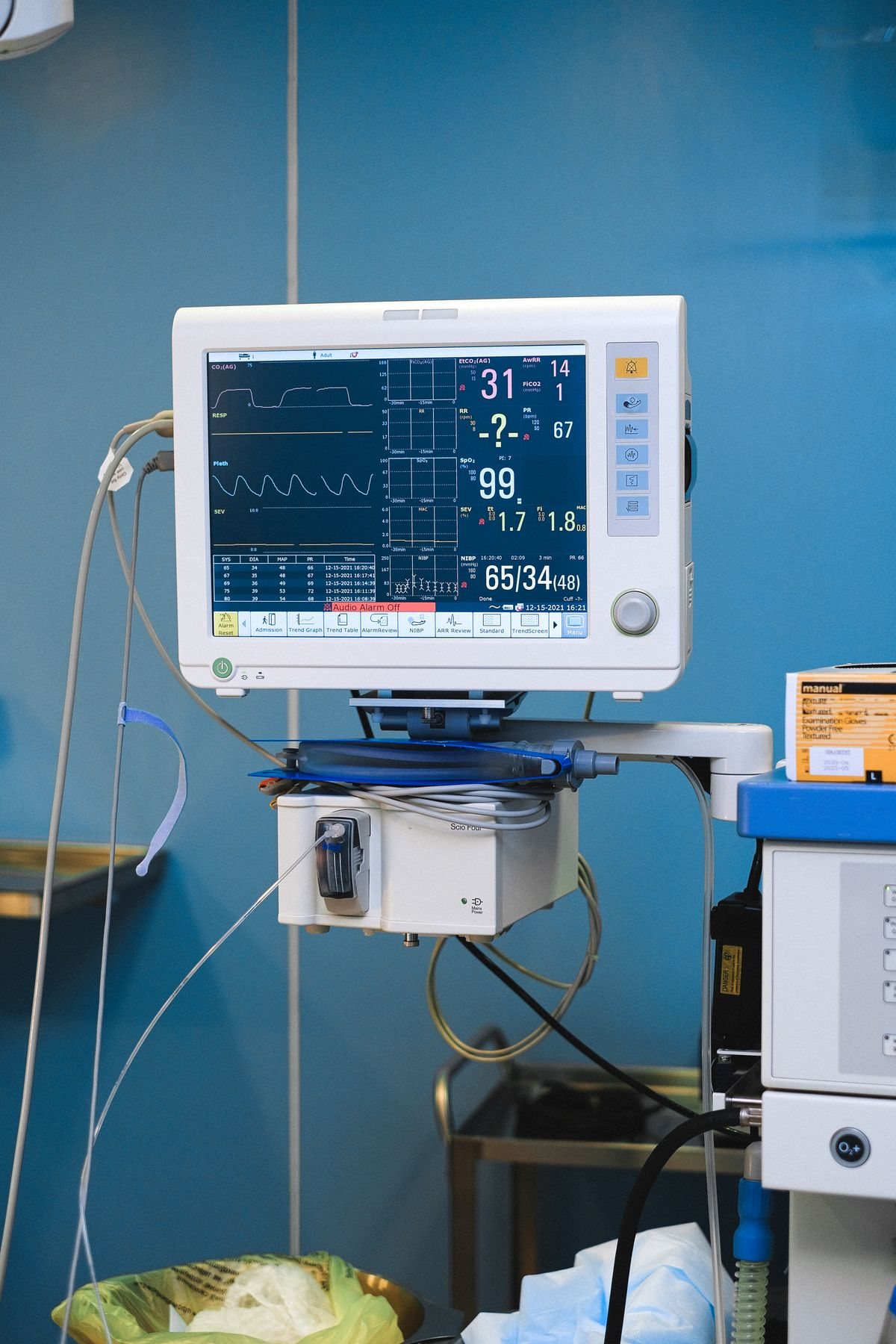
Events such as a fall, leaving the bed, a wet pad, or an abnormal heart rate and respiration pattern are identified at the device and in the platform.
Notify
The alert appears on the central monitoring console and the mobile app, together with the bed, the resident and the type of event.
Reach out
App push, WeChat and SMS carry the message to family members and duty caregivers at the same moment.
Respond
In institutional settings the nurse-station host and the caregiver watch alarm on site — alarm volume reaches 90 dB or more.
Escalate
No acknowledgement means the next contact in the care chain is called, so a silent accident does not stay silent.
Where the solution fits
Home care
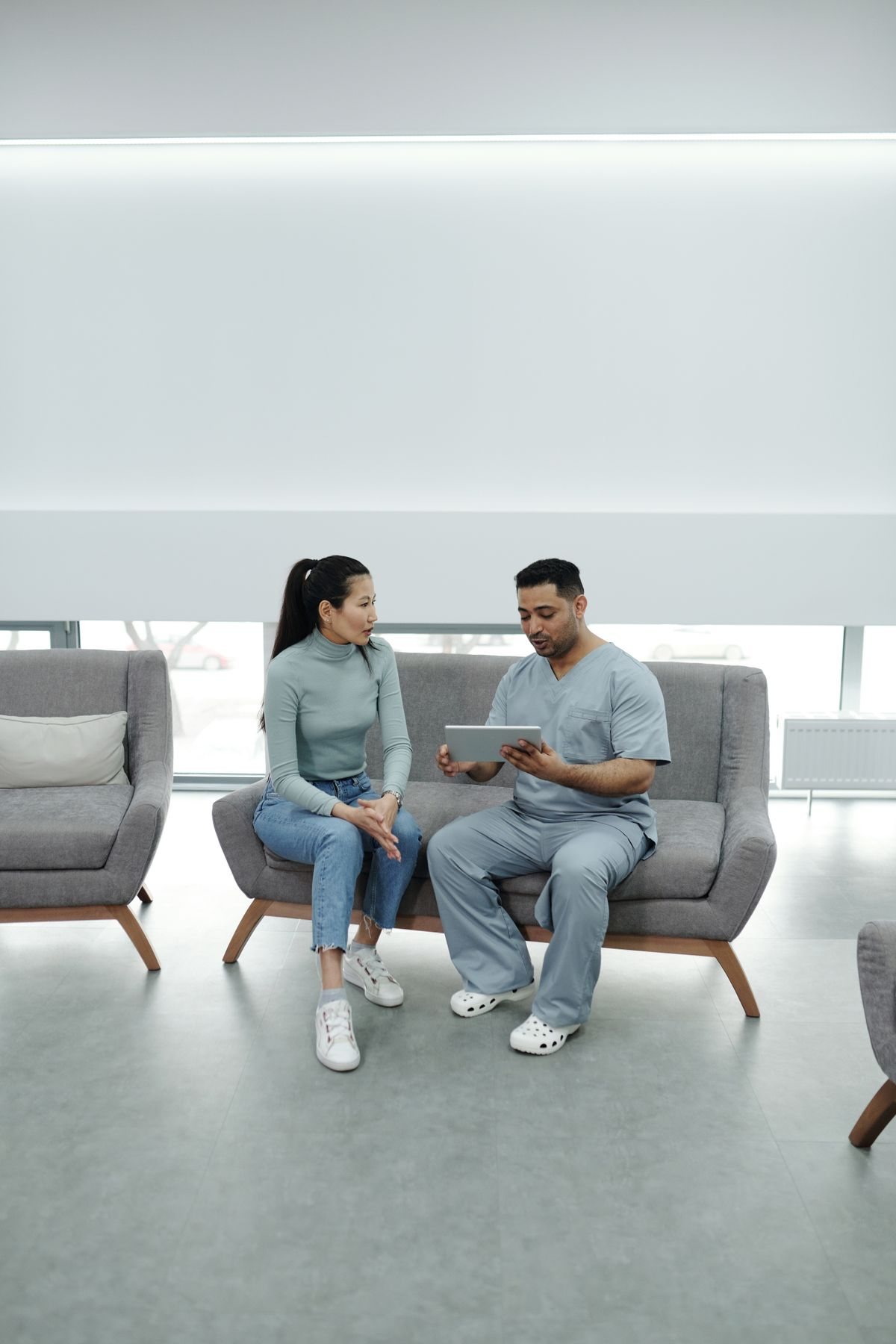
An elderly parent living alone or with a spouse, monitored from a family member’s phone in another city.
Nursing home & ward
A monitoring wall for the duty room, fall-detection radars for high-risk residents and automatic night records.

Rehabilitation
Post-operative and semi-disabled residents who cannot be left unattended, with continuous vital sign trends.
Bathroom & corridor
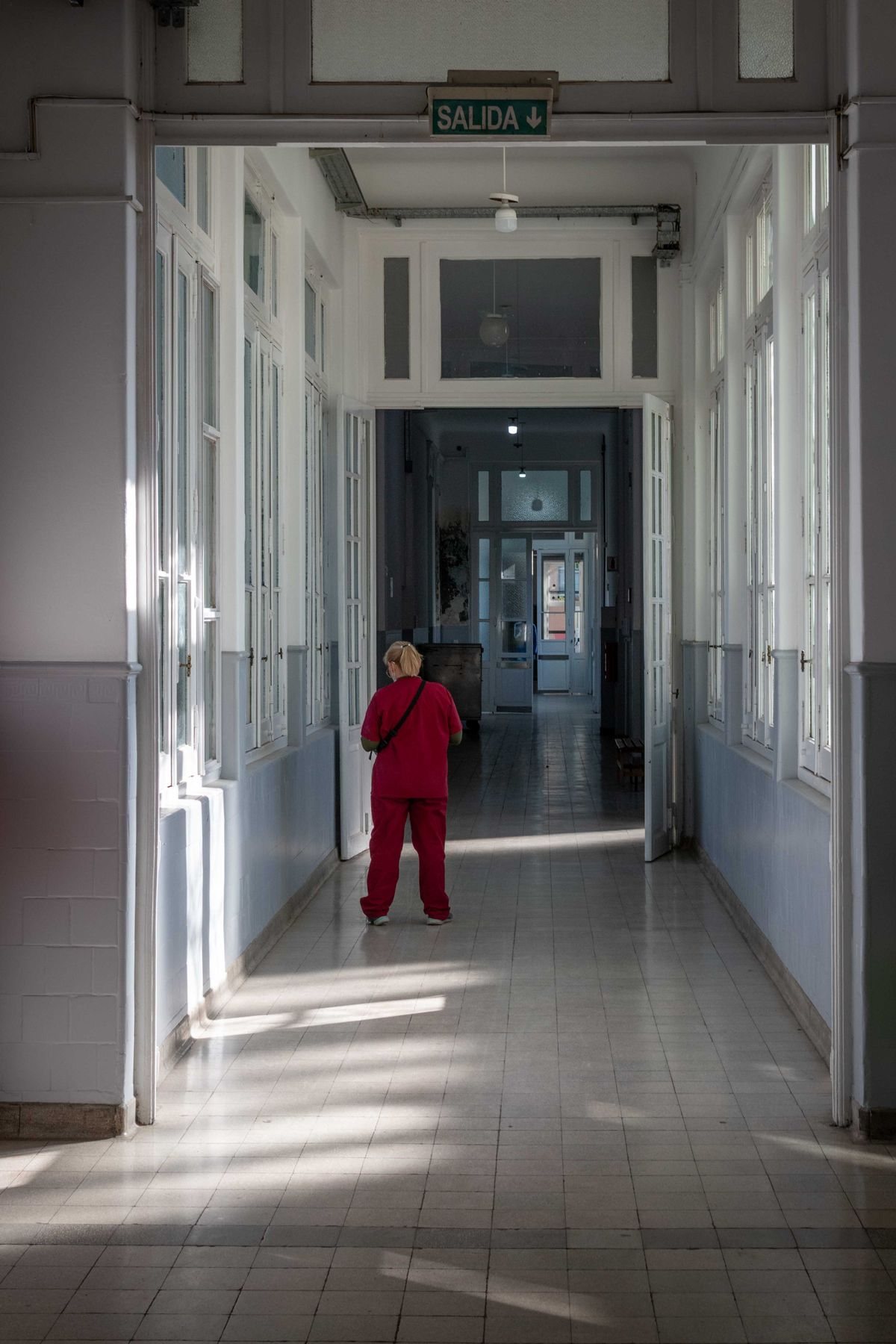
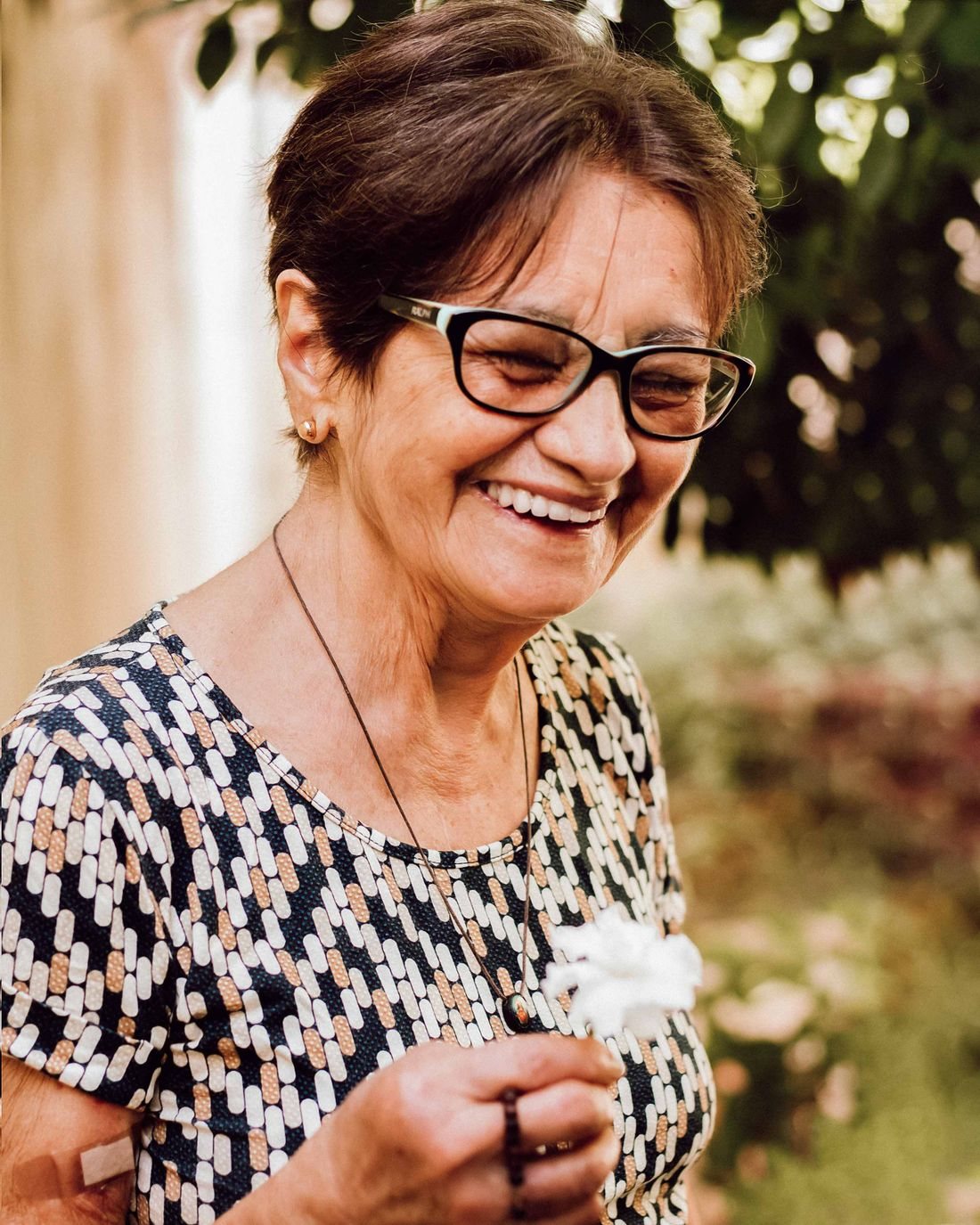
A wall- or corner-mounted fall detection radar for the bathroom and corridor — the areas where falls most often happen.
What is in the box
| Item | Role in the solution | Key parameters |
|---|---|---|
| ASK824-SContactless radar vital sign monitor |
Non-contact monitoring of vital signs, in/out-of-bed state and falls | 24GHz FMCW radar; heart rate, respiration rate, blood oxygen, body temperature; detection range 0.3–2.5 m; 60° horizontal / 80° vertical field of view; dual-band 2.4G / 5G Wi-Fi; MQTT |
| Wetness-sensing padwith bedside alarm unit |
Immediate detection of bedwetting and incontinence | 55 × 90 cm sensing area; alarm and leak barrier built in; wired to the bedside alarm unit; adjustable alarm volume; low-battery warning |
| TASA-2B fall detection radarwall / corner mount |
Fall detection and behaviour-anomaly alerts, with no mat and no wearable | 60GHz FMCW; detection range 7 m (corner) / 5 m (wall); 90° H / 90° V; mounting height 1.4–2.2 m; 2.4G Wi-Fi (BLE provisioning), SDK; DC 5V/2A, 3 W; IP54; 148 × 105 × 24 mm; 156 g |
Parameters above are the published figures for the sensing hardware. Final configuration is confirmed per project, and coverage is dimensioned from the actual room layout.
Sensing products, wireless components and the platform behind them
Sensing terminal
The ASK824 vital-sign radar and the TASA-2B fall detection radar are developed in house, so radar behaviour, algorithms and the data model are all under our control.
Wireless components
Wi-Fi, Bluetooth and combo modules that let a third-party care product join the same network and the same cloud.
Gateways & bridges
BLE-to-4G and BLE-to-Wi-Fi gateways, Ethernet-to-Wi-Fi bridges and a medical-grade router for ward deployments.
Platform tools
AiCloud access technology together with the AiDK, AiSDK and AiDMS development platforms for device-cloud integration.
Integration experience
Thirteen years in IoT and more than 300 enterprise customers, including medical device and smart hospital projects.
One partner, one system
Radar, connectivity and platform from the same supplier means fewer integration boundaries and one point of responsibility.
The connectivity that carries the data
Real Alinket hardware behind the elderly care system: Wi-Fi, Bluetooth and HaLow controllers, BLE-to-4G and BLE-to-Wi-Fi gateways, Ethernet-to-Wi-Fi bridges and a medical-grade router — the same components used in hospital and medical device projects.
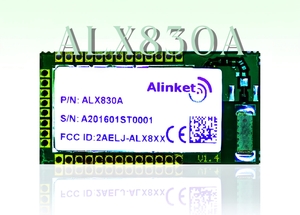 ALX830AWi-Fi controller
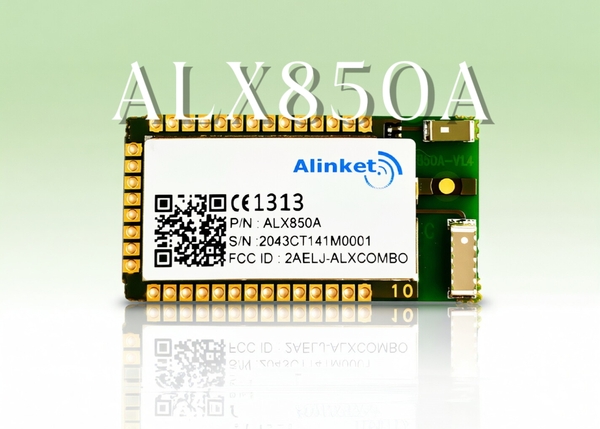 ALX850A/BWi-Fi controller
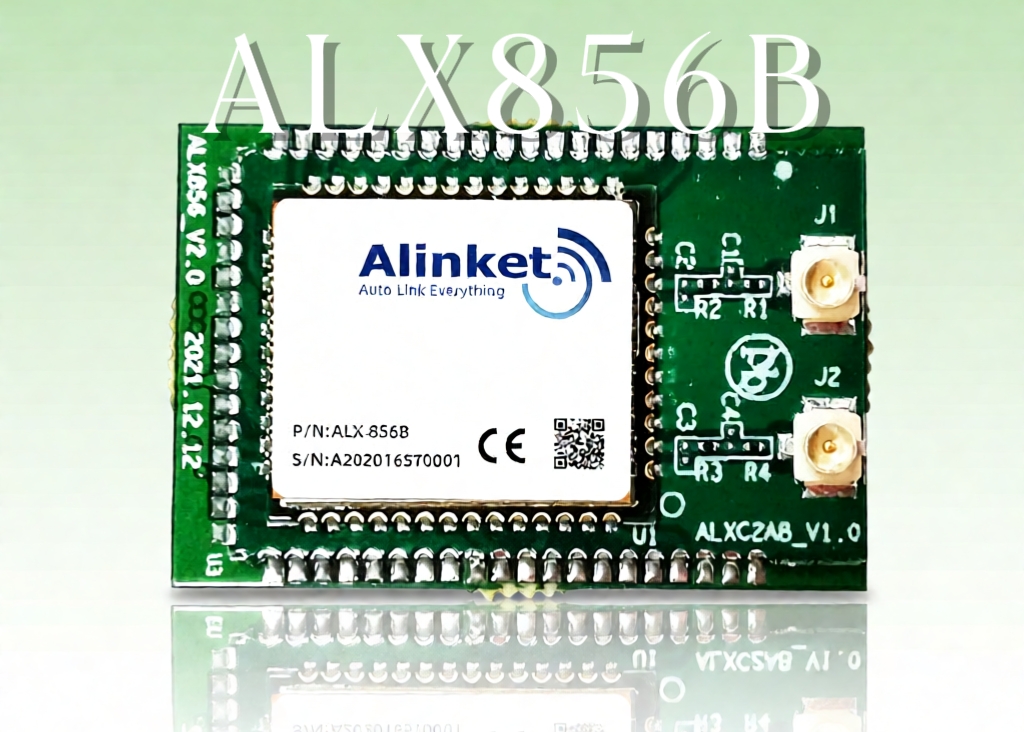 ALX856BWi-Fi 6 dual-band controller
 ALX890BWi-Fi HaLow controller
 ALXC12A/BWi-Fi & Bluetooth controller
 ALXC29BDual-band Wi-Fi + BT 5.0 module
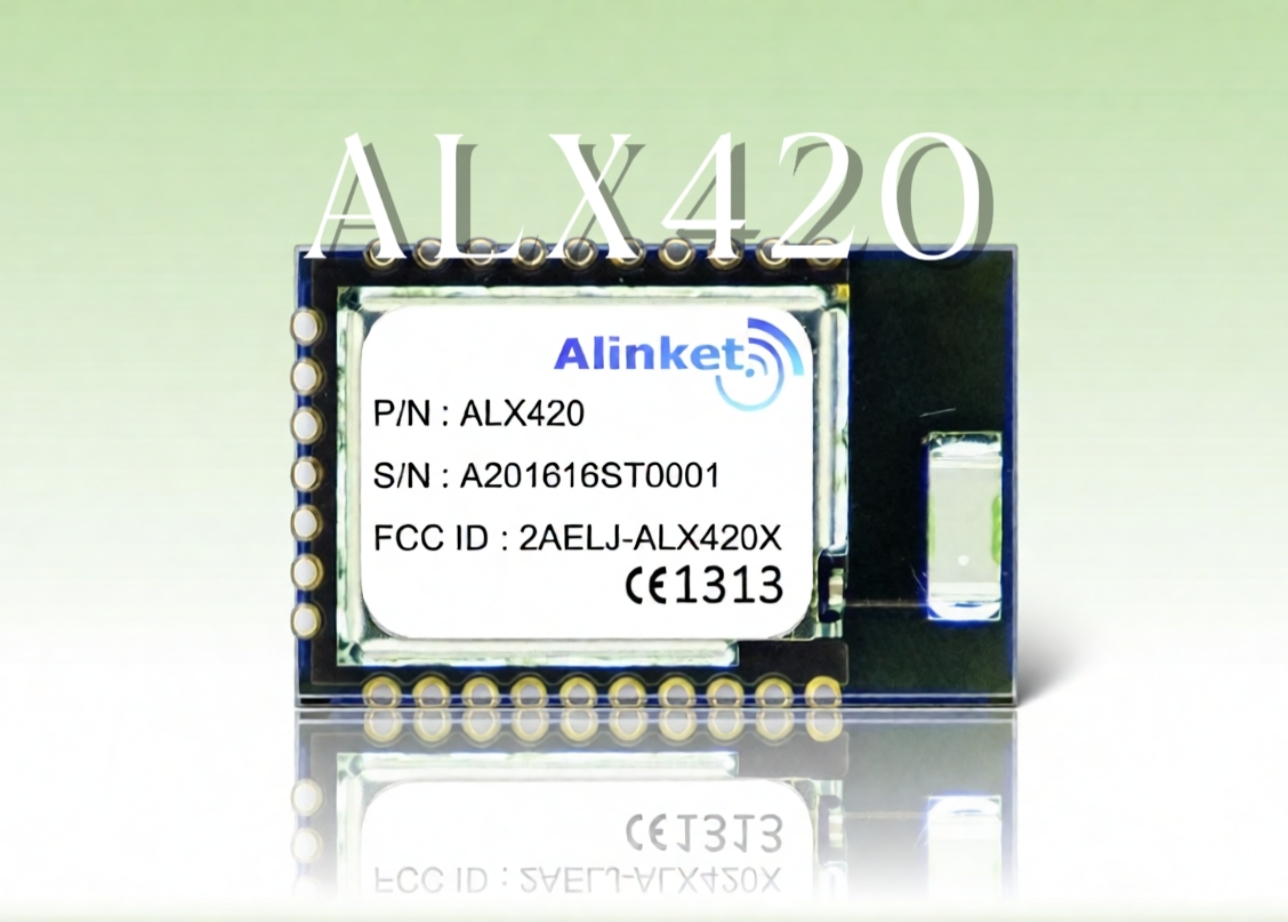 ALX420ABluetooth controller
 ALX412BLE 5.0 module
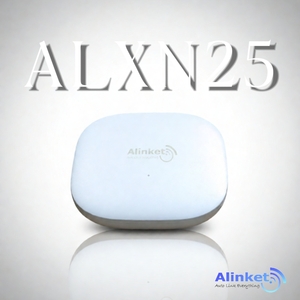 ALXN25Medical-grade router
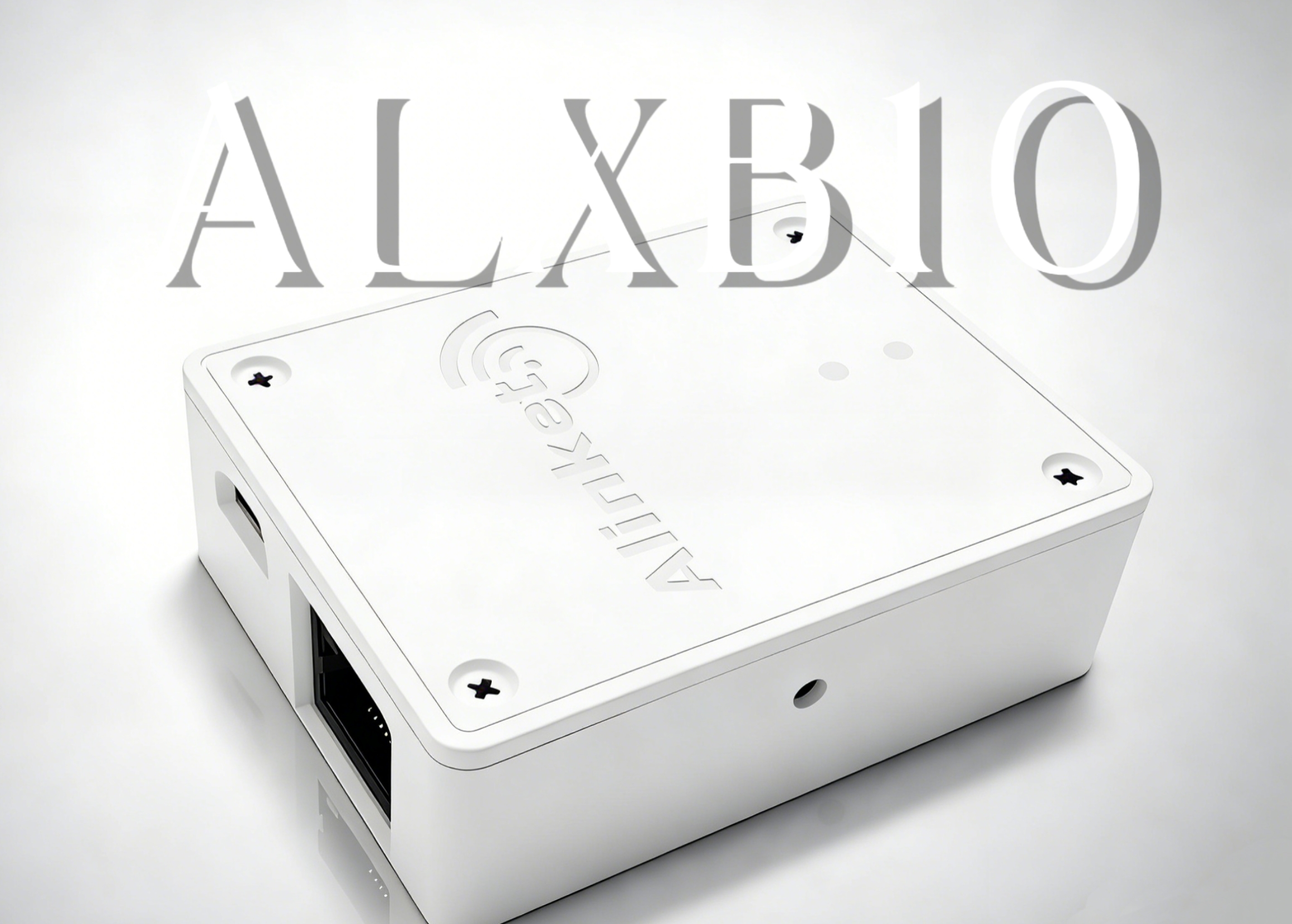 ALXB10Ethernet-to-Wi-Fi bridge
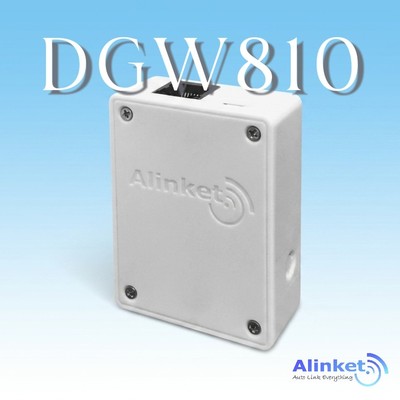 DGW810BLE-to-Wi-Fi gateway
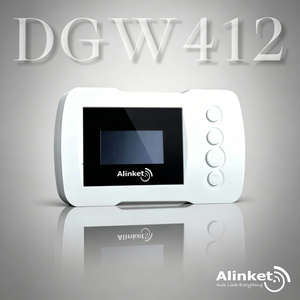 DGW412BLE-to-4G Cat-1 gateway
Explore the hardware and the platform
Building an elderly care project?
Send us the layout of the room, the number of beds and the care workflow. We will come back with a sensing plan, a network plan and a platform configuration.
Contact Us|
|
Let us build the most stable and fastest network for you
Deeply rooted in the IoT industry for 13 years, we tailor a new smart interconnection experience covering all scenarios for you.
Tell us what you are building — volume, timeline and target market — and the team will come back with the right module, SDK and reference design.