Your AI is only as fast as your internet connection.Issuing time:2026-09-16 15:36 For a growing number of devices, that's not a detail — it's the whole problem. A camera that takes 800 ms to decide whether someone has fallen. A wearable that can't flag an arrhythmia the moment a patient walks into a basement with no signal. A production line where every frame has to travel to a data centre and back before anything moves. 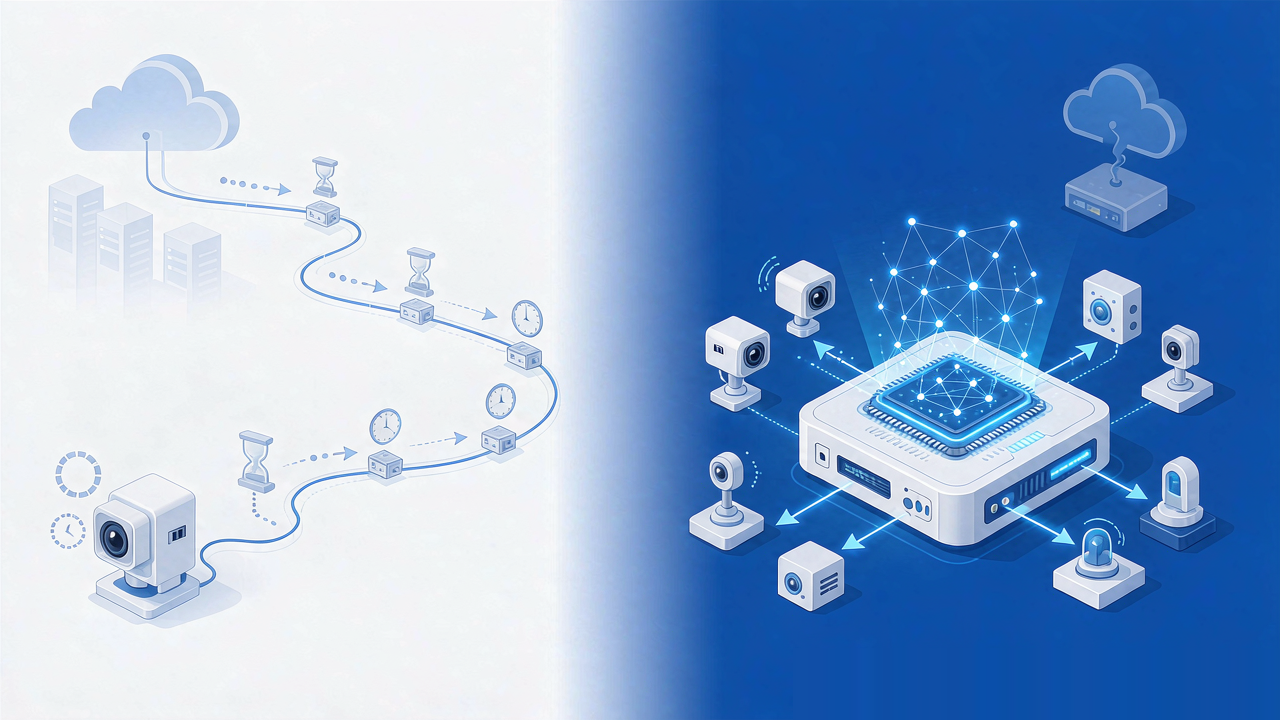 Each of those is a case where the intelligence exists, but the round trip kills it. It's worth saying the quiet part out loud: the cost of a missed edge decision is rarely measured in compute. It's measured in a fall that wasn't caught, a leak that became a shutdown, a patient who waited. Cloud AI is powerful, and for plenty of workloads it's exactly right. But four constraints keep biting at the edge: 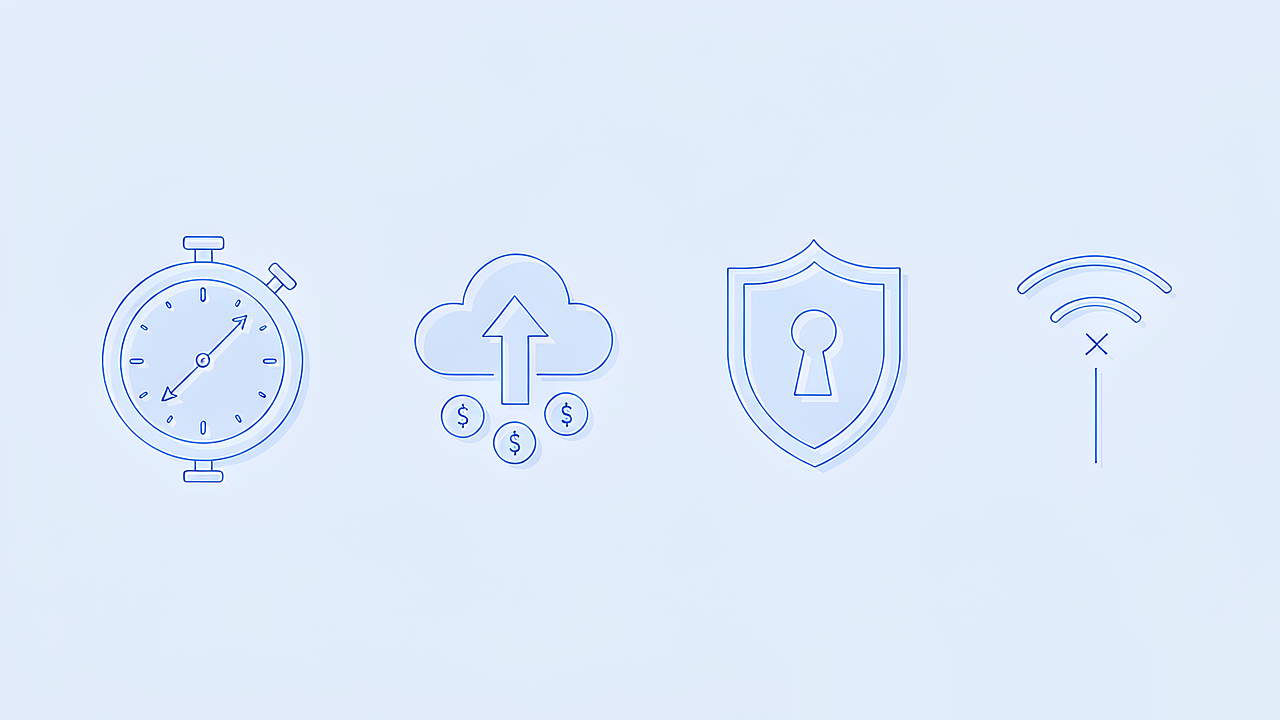 → Latency — some decisions simply can't wait for a network round trip. A fall, a fire, an intruder: the window is measured in milliseconds, not seconds. → Bandwidth & cost — not every frame deserves to be uploaded. Streaming 16 camera feeds 24/7 burns bandwidth and cloud spend on footage that is, most of the time, uneventful. → Privacy & compliance — health, identity and factory data often shouldn't leave the site at all. "The video never leaves the building" is a far easier story to defend than a cloud pipeline. → Availability — the network will go down. The device shouldn't stop thinking when it does. That's the case for embedded AI: pushing the model down onto the device, so it judges locally — in milliseconds, offline, with the raw data never leaving the hardware. 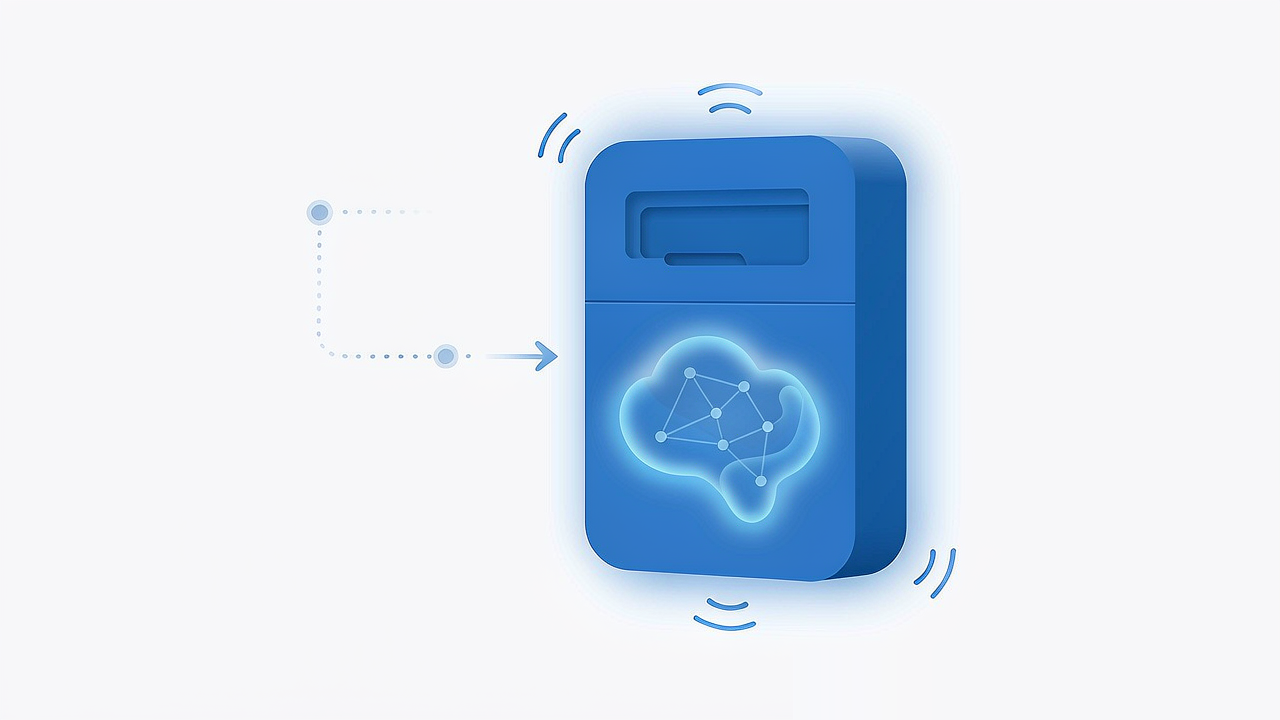 What changed to make this practical? Three things quietly crossed a threshold. AI accelerators now deliver meaningful TOPS at single-digit watts. Model compression and quantisation let serious vision and audio models run on modest silicon. And connectivity modules keep getting smaller, cheaper and lower-power. Edge inference stopped being a research demo and became an engineering default. At Alinket, this is the direction we've been building toward for over a decade in medical and industrial IoT: connectivity first, then intelligence on top of it. The module, the edge box and the industrial server are three layers of one idea. Where does embedded AI create the biggest gap for you today — latency, privacy, cost, or uptime? Genuinely curious how others are weighing it. |
Related Products
Go from this article to the product pages — specifications, interfaces and integration details.
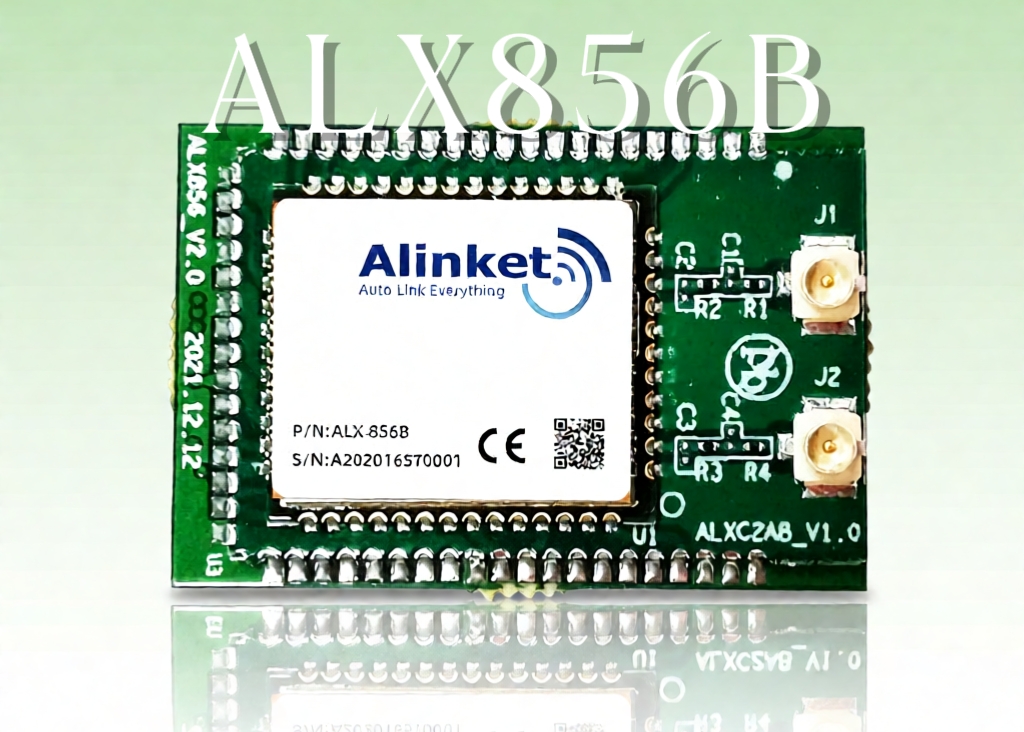
ALX856B Wi-Fi 6 Dual-Band Controller
ALX856B is a high-performance dual-band Wi-Fi 6 (802.11ax) controller with 2T2R architecture, delivering higher throughput and lower…
View product →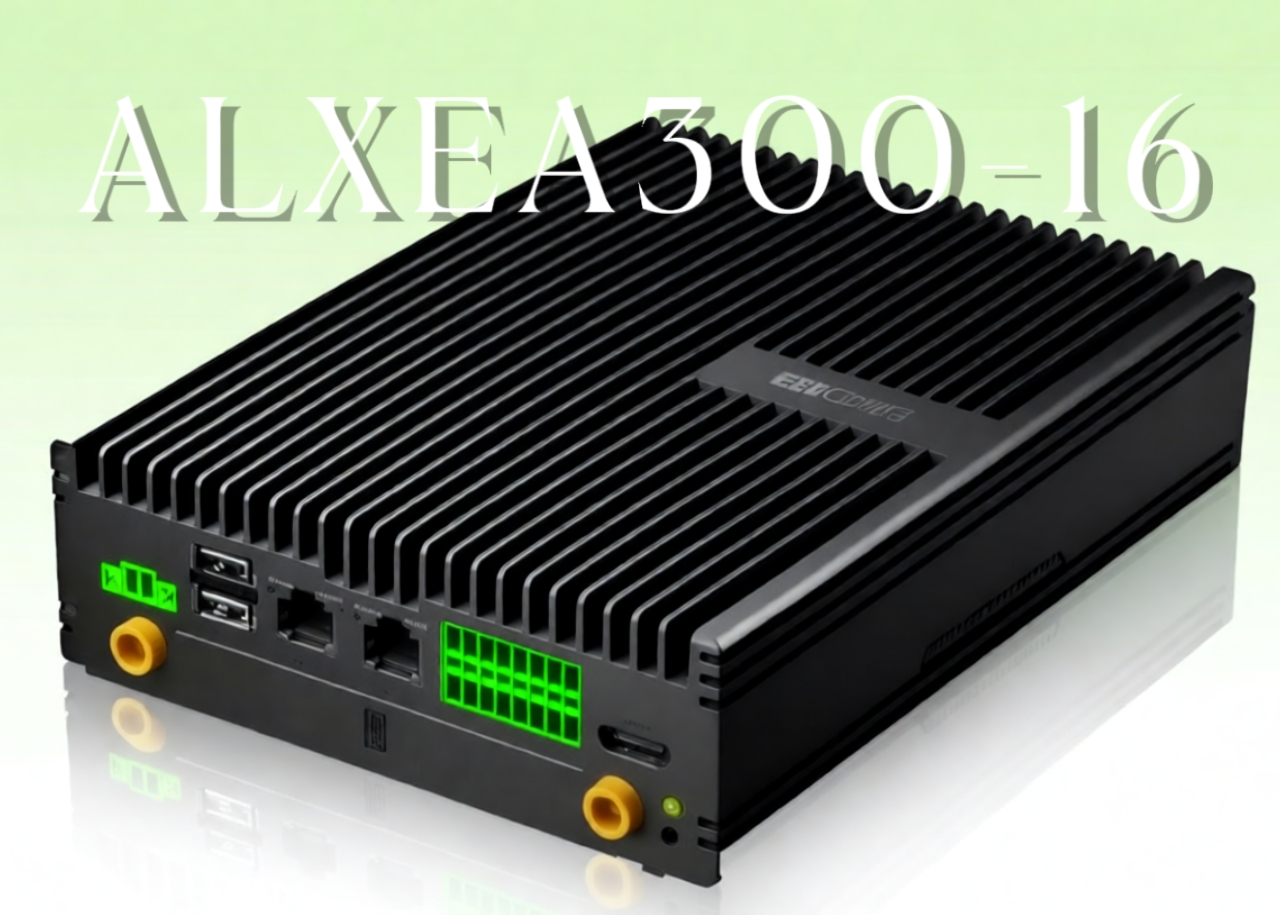
ALXEA300
Explore the ALXEA300 - 16, a top - notch product offering high - performance and reliability.
View product →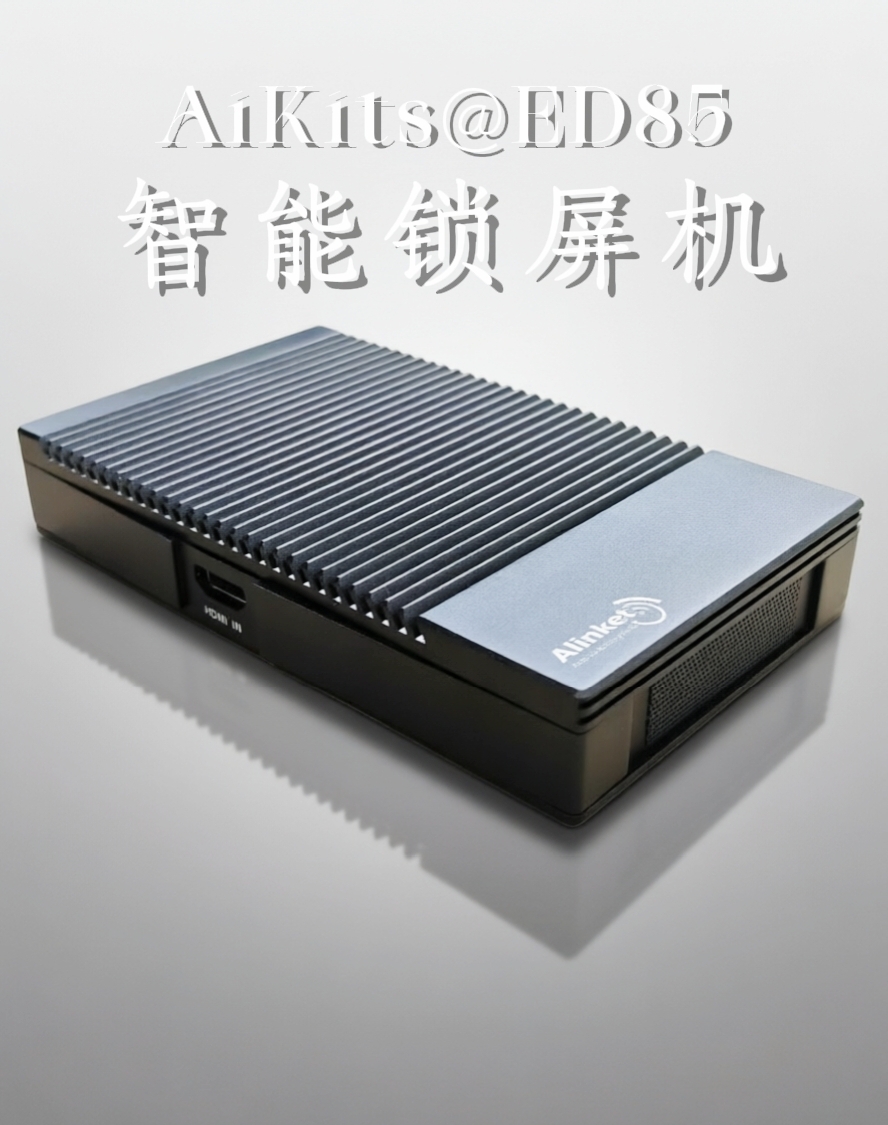
AiKits@ED85 Intelligent Lock Screen Machine
Alinket AiKits@ED85 uses a 1Tops NPU, with a <300ms ultra-fast block of mobile phone stealth shooting.
View product →Let us build the most stable and fastest network for you
Deeply rooted in the IoT industry for 13 years, we tailor a new smart interconnection experience covering all scenarios for you.
Tell us what you are building — volume, timeline and target market — and the team will come back with the right module, SDK and reference design.